Education

Educational

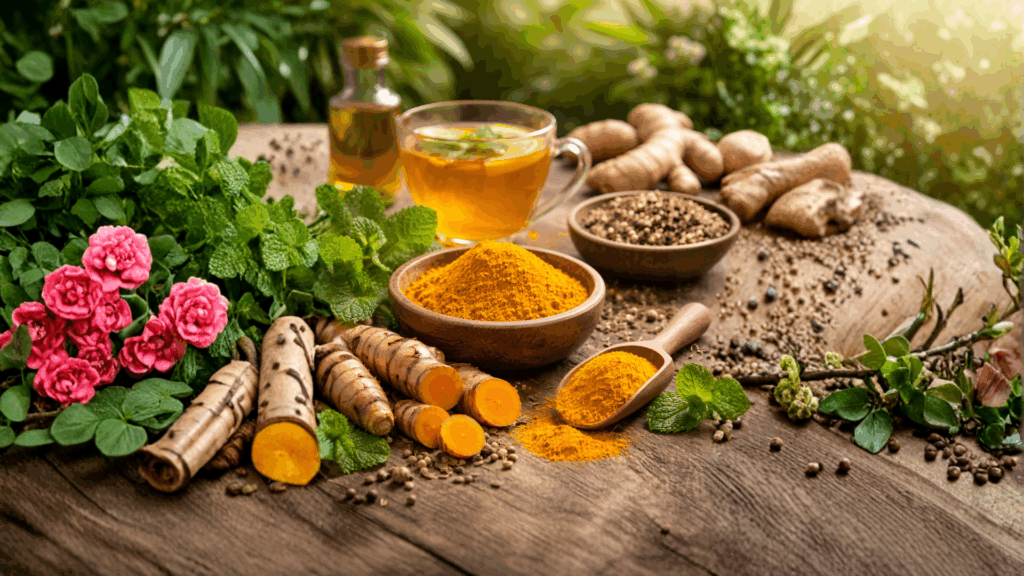
Turmeric roots and prepared herbal forms representing traditional and modern digestive health research

Turmeric Safety for Special Populations

Turmeric is widely used as a food spice and is generally considered safe in culinary amounts for most people. Safety concerns typically become more relevant when turmeric is used as a concentrated supplement or when curcumin extracts are taken regularly at higher doses. National Center for Complementary and Integrative Health (NCCIH) Pregnant and breastfeeding individuals …
Turmeric Safety for Special Populations Read More »

Ground turmeric powder in a bowl with a spoon on a wooden surface, showing turmeric used in dietary supplements and plant-based wellness contexts

Turmeric Drug Interactions Explained Simply

Turmeric contains bioactive compounds, primarily curcumin, that influence inflammation pathways, liver enzymes, and blood chemistry. Because of these effects, turmeric can interact with certain medications by either increasing or decreasing how the body processes drugs, especially when taken in supplement form rather than as a food spice. National Center for Complementary and Integrative Health (NCCIH) …

Turmeric Drug Interactions Explained Simply Read More »

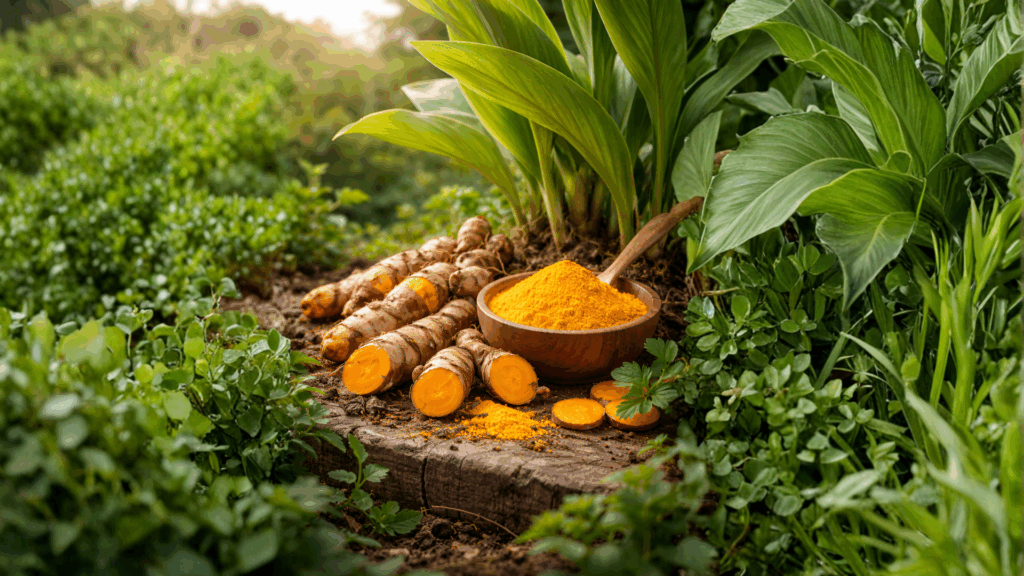
Turmeric root and plant material shown as part of botanical and plant science education

Turmeric Safety, Dosage, and Who Should Be Careful

Turmeric has been used for centuries in traditional medicine and cooking, but modern science emphasizes that natural does not automatically mean risk-free. Turmeric’s primary active compound, curcumin, interacts with multiple biological pathways related to inflammation, digestion, and metabolism, which makes dosage and individual health context important when using it beyond normal dietary amounts. National Center …

Turmeric Safety, Dosage, and Who Should Be Careful Read More »

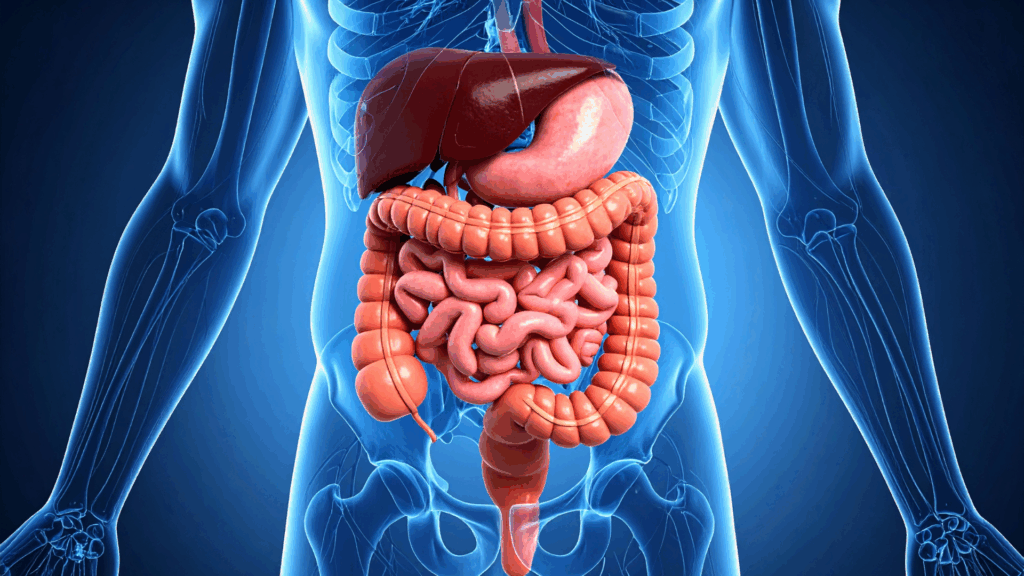
Human digestive system showing liver, stomach, intestines, and metabolic organs involved in turmeric and curcumin processing

How Turmeric Interacts With Metabolism and Liver Function

The liver plays a central role in metabolism and detoxification, processing nutrients, drugs, and plant-derived compounds before they circulate through the body. Turmeric has drawn scientific interest because curcumin interacts with several enzyme systems involved in liver metabolism. Rather than acting as a detox agent itself, turmeric influences how the body manages oxidative stress and …

How Turmeric Interacts With Metabolism and Liver Function Read More »

Turmeric plant with visible leaves and underground rhizome illustrating botanical structure and plant science classification

Turmeric and Curcumin: What the Science Actually Shows

Turmeric has been used for thousands of years as both a culinary spice and a traditional medicinal plant, particularly in South Asian systems such as Ayurveda. The active compound most often studied in turmeric is curcumin, a polyphenol responsible for the plant’s deep yellow color and many of its observed biological effects. Modern plant science …

Turmeric and Curcumin: What the Science Actually Shows Read More »

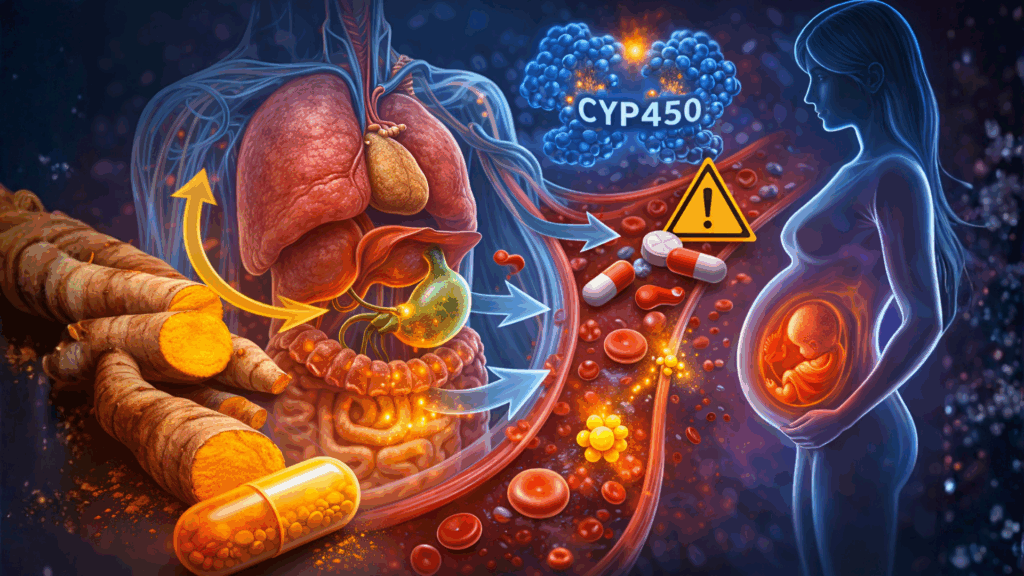
Yellow caution tape crossing over a white background symbolizing safety warnings, risk awareness, and precautionary guidance related to turmeric use and interactions

Turmeric Interactions, Contraindications, and Who Should Avoid Use

Turmeric and its primary bioactive compound, curcumin, are generally considered safe when consumed as part of the diet, but concentrated supplements can interact with medications and certain medical conditions. Curcumin influences inflammatory pathways, platelet aggregation, and metabolic enzymes, which means it can have clinically relevant effects beyond simple nutrition. National Center for Complementary and Integrative …

Turmeric Interactions, Contraindications, and Who Should Avoid Use Read More »

Close-up medical illustration representing turmeric safety considerations, medication interactions, and physiological response pathways

Potential Side Effects, Contraindications, and Who Should Avoid Turmeric

Turmeric and its primary active compound, curcumin, are widely regarded as safe when consumed in culinary amounts and are generally well tolerated in supplement form. However, concentrated curcumin extracts can produce side effects in some individuals, particularly at higher doses. The most commonly reported effects include gastrointestinal discomfort, nausea, diarrhea, bloating, and acid reflux–like symptoms. …

Potential Side Effects, Contraindications, and Who Should Avoid Turmeric Read More »

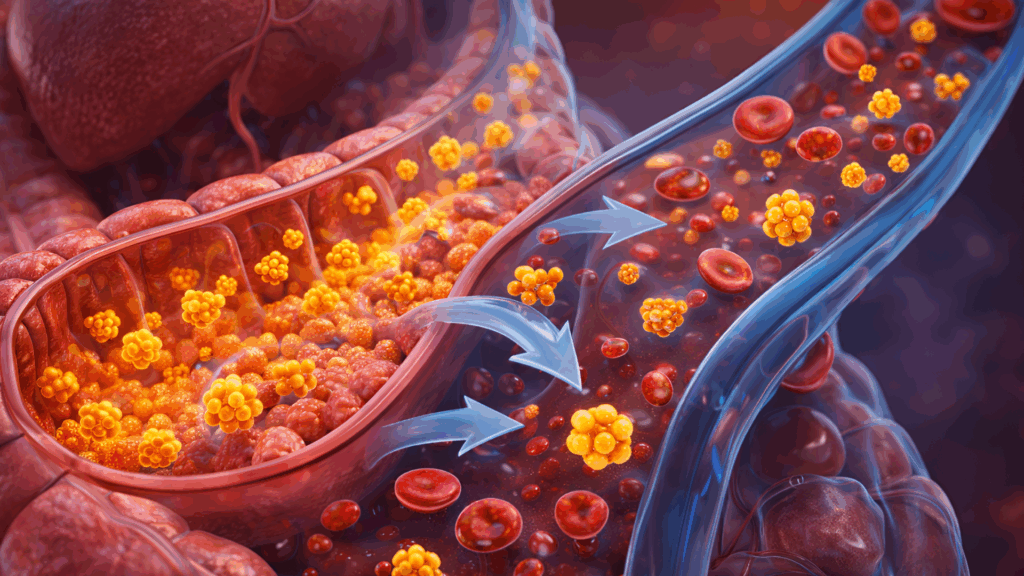
Scientific illustration showing curcumin molecules moving through the digestive system with limited absorption into the bloodstream

Why Curcumin Absorption Is Limited in the Human Body

Despite curcumin being the primary bioactive compound in turmeric, one of the most consistent findings across clinical research is its poor natural absorption in the human body. When consumed alone, curcumin has low solubility in water, is rapidly metabolized by the liver and intestinal wall, and is quickly eliminated from circulation. These characteristics significantly limit …

Why Curcumin Absorption Is Limited in the Human Body Read More »

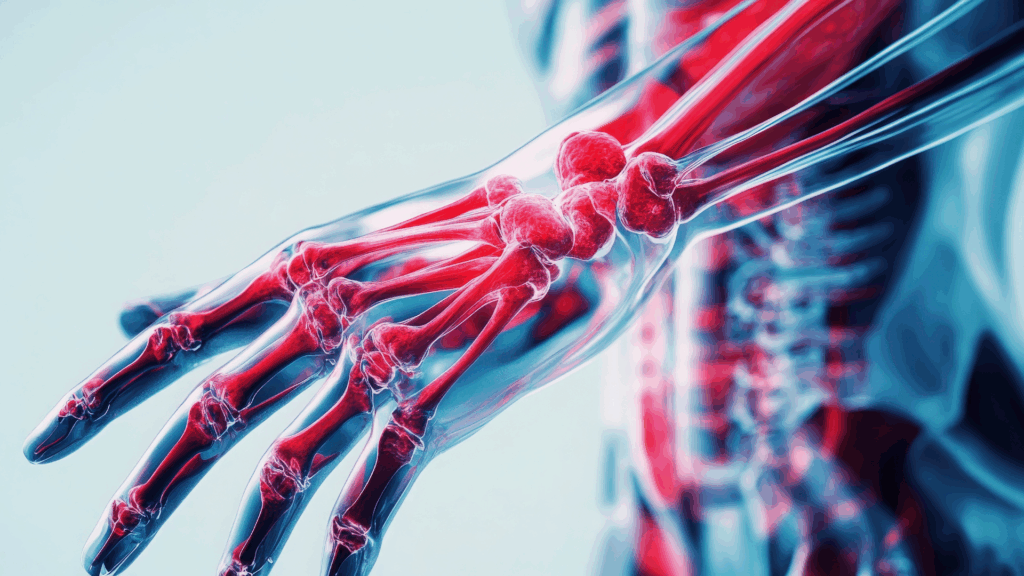
Medical illustration showing inflamed hand joints and cartilage stress related to joint pain and inflammation

Curcumin Beyond Inflammation: Metabolic, Gut, and Neurological Clinical Findings

While curcumin is most widely studied for its role in inflammatory signaling, emerging clinical research shows that its effects extend into metabolic regulation, gut health, and neurological function. These areas represent a growing frontier of turmeric research and help explain why curcumin is being explored beyond musculoskeletal and pain-related conditions. National Institutes of Health (NIH) …

Curcumin Beyond Inflammation: Metabolic, Gut, and Neurological Clinical Findings Read More »

Close-up medical-style illustration of a knee joint highlighting inflammation and cartilage stress related to joint health research

Turmeric, Joint Health, Mobility, and Pain Research

Joint discomfort and reduced mobility are commonly linked to chronic low-grade inflammation, cartilage degradation, and oxidative stress within connective tissues. Curcumin, the primary bioactive compound in turmeric, has been shown to influence inflammatory mediators involved in joint pain, including prostaglandins and inflammatory cytokines. Clinical research indicates curcumin may reduce markers associated with joint inflammation without …

Turmeric, Joint Health, Mobility, and Pain Research Read More »