
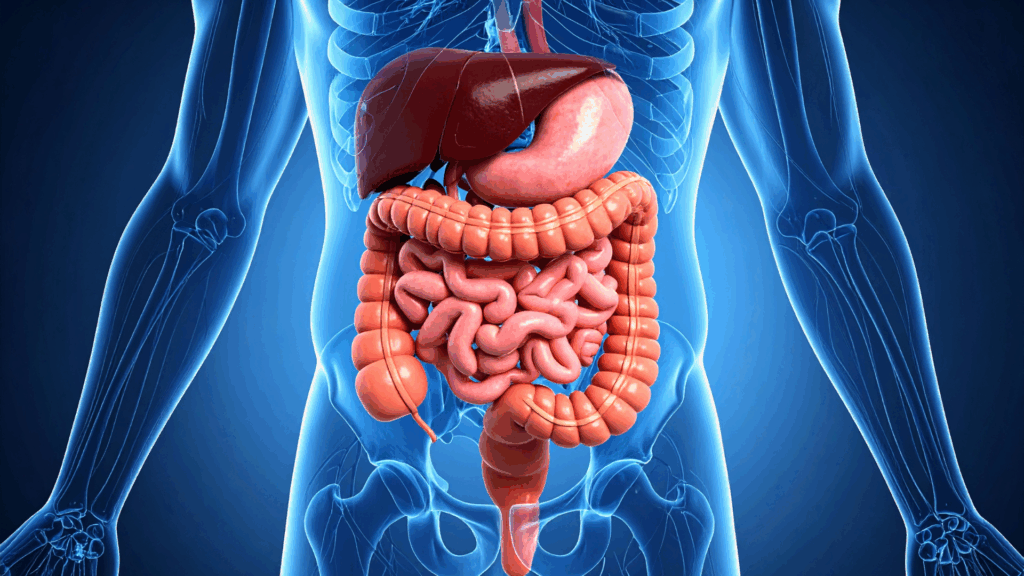
The liver plays a central role in metabolism and detoxification, processing nutrients, drugs, and plant-derived compounds before they circulate through the body. Turmeric has drawn scientific interest because curcumin interacts with several enzyme systems involved in liver metabolism. Rather than acting as a detox agent itself, turmeric influences how the body manages oxidative stress and metabolic byproducts at the cellular level. National Institute of Diabetes and Digestive and Kidney Diseases (NIDDK) , Journal of Clinical and Experimental Hepatology
Research indicates that curcumin can modulate phase I and phase II liver enzymes, which are responsible for breaking down both endogenous compounds and external substances. These enzyme systems help convert fat-soluble compounds into forms that can be safely excreted. Laboratory studies suggest curcumin may help balance these pathways, particularly under conditions of oxidative stress, though effects vary depending on dose and formulation. Toxicology Reports , Pharmacological Research
Turmeric has also been studied in relation to metabolic health, including lipid metabolism and insulin signaling. Some experimental models suggest curcumin may influence fat accumulation in liver tissue and support healthier lipid profiles. These findings are especially relevant in research related to non-alcoholic fatty liver disease, a condition closely tied to modern dietary patterns. Human studies, however, remain limited and results are not universal. World Journal of Gastroenterology , Nutrients Journal
From a safety perspective, turmeric is generally considered well tolerated, but its interaction with liver enzymes means it may affect how certain medications are metabolized. This is particularly relevant for drugs processed through cytochrome P450 pathways. Researchers emphasize that plant compounds capable of influencing metabolism should be studied carefully to understand both benefits and potential interactions. U.S. Food & Drug Administration (FDA) , European Medicines Agency (EMA)
Modern plant science continues to evaluate turmeric not as a detox solution, but as a biologically active plant compound that interacts with core metabolic systems. Understanding these interactions helps move turmeric research away from marketing claims and toward evidence-based discussions grounded in physiology and biochemistry. Frontiers in Physiology , Annual Review of Nutrition
All information presented is for educational purposes only and focuses on plant science research and emerging studies. This content does not replace professional medical advice. Always consult licensed healthcare providers or trained professionals in plant-based science and natural health disciplines. All information provided is thought to be put to date with modern research and you should still do your own research and consult with professionals.