#education

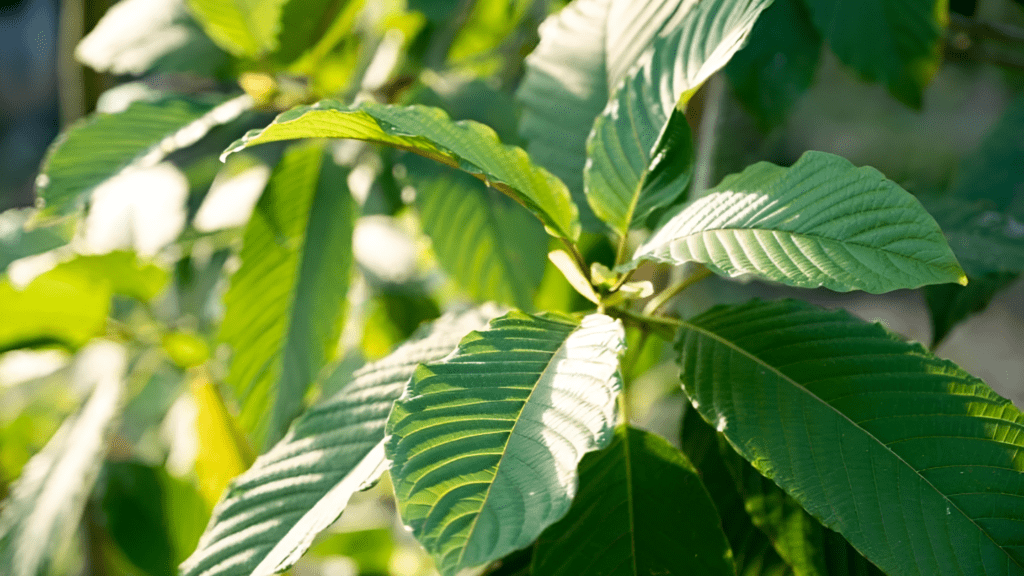
Sunlit kratom leaves growing on a tropical tree, showing natural vein structure and plant health

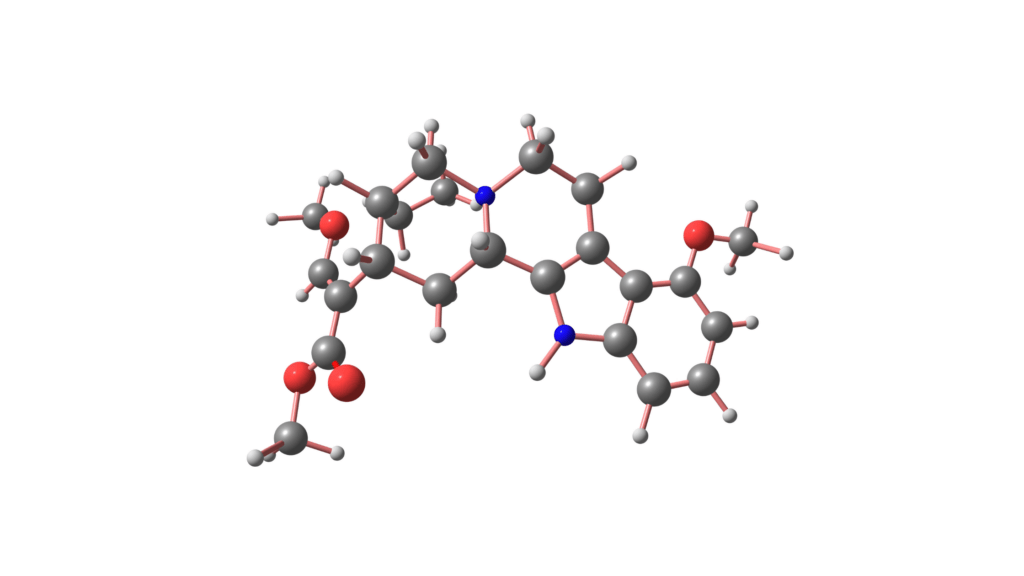
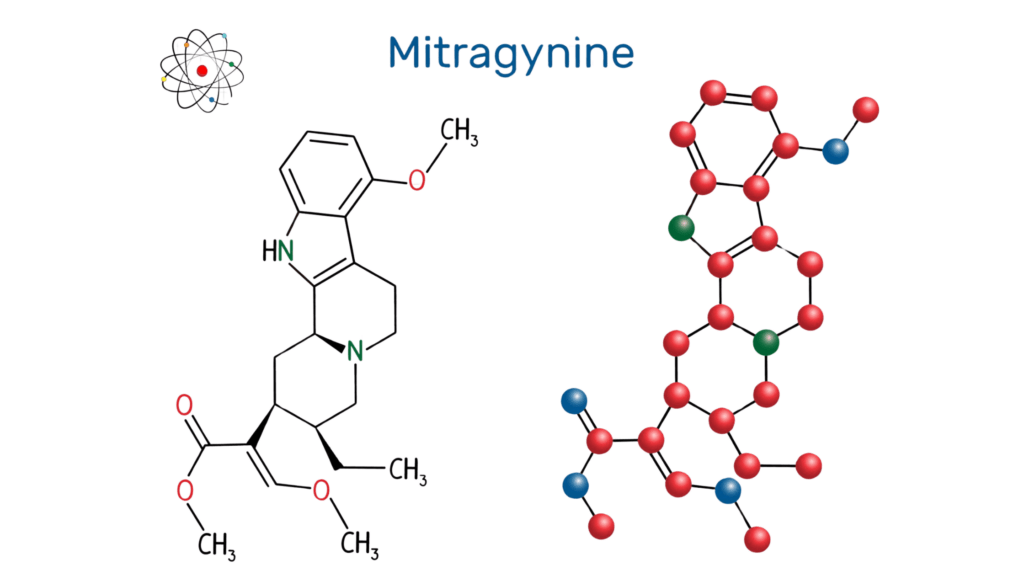
Kratom 101: Active Compounds and Plant Chemistry

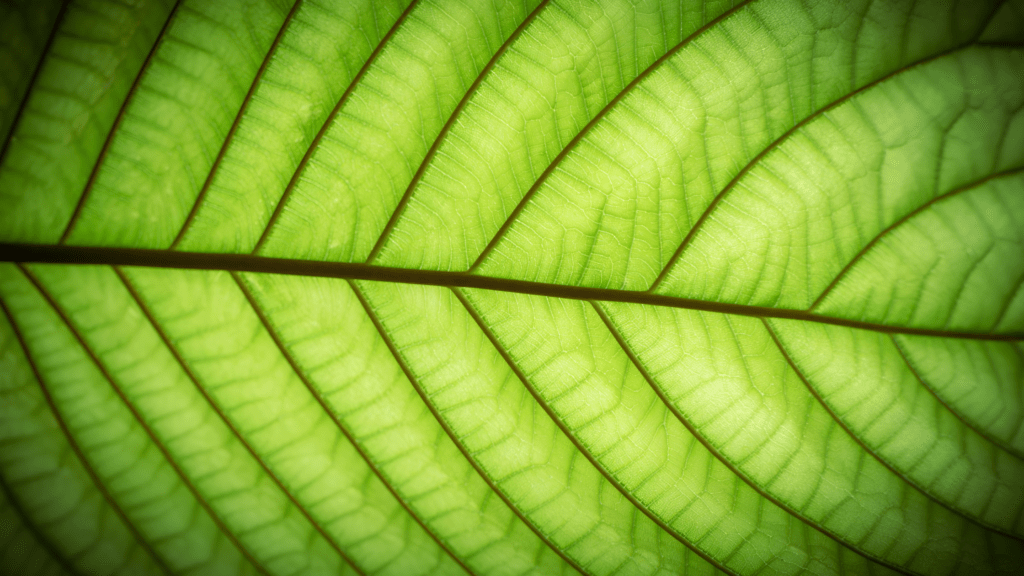
Kratom’s scientific interest centers on its complex alkaloid profile, which includes more than 40 naturally occurring compounds. The most studied alkaloids are mitragynine and 7-hydroxymitragynine, which together account for a significant portion of the plant’s pharmacological activity. These compounds are synthesized naturally within the leaf and vary in concentration depending on plant maturity, growing conditions, …

Kratom 101: Active Compounds and Plant Chemistry Read More »

Close-up view of kratom leaves and branches from a mature kratom tree, highlighting the natural leaf shape, texture, and green coloration of the plant used in botanical research

Kratom 101: Plant Origins and Overview

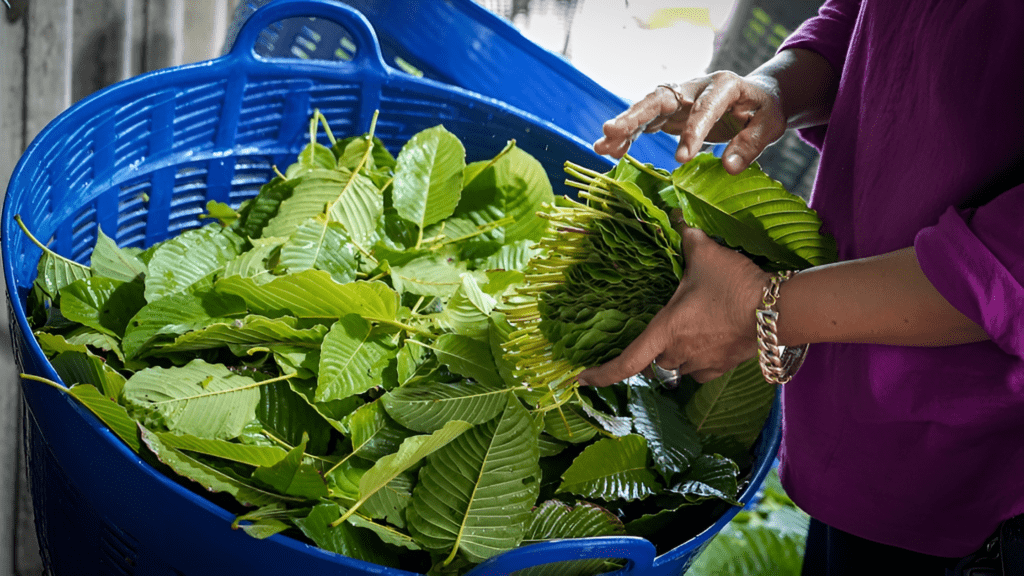
Kratom, scientifically known as Mitragyna speciosa, is a tropical evergreen tree native to Southeast Asia, particularly Thailand, Malaysia, Indonesia, and parts of Papua New Guinea. It belongs to the coffee family, Rubiaceae, and has been used traditionally for centuries in regional cultural and agricultural contexts. Historically, kratom leaves were chewed or brewed into teas by …

Kratom 101: Plant Origins and Overview Read More »

Market trend analysis showing growth charts, financial data, and performance indicators

Future Research and Global Market Trends for Turmeric

Scientific research on turmeric continues to expand as interest grows in plant-derived compounds that may support long-term health and disease prevention. Current studies focus on improving curcumin bioavailability, understanding dose-dependent effects, and identifying which populations may benefit most. These efforts reflect a broader shift toward evidence-based evaluation of traditional plant medicines within modern research frameworks. …

Future Research and Global Market Trends for Turmeric Read More »

Turmeric roots and prepared herbal forms representing traditional and modern digestive health research

Turmeric in Modern Medicine, Supplements, and Consumer Products

In modern healthcare systems, turmeric is primarily positioned as a dietary supplement and functional food ingredient rather than a pharmaceutical drug. While curcumin has been extensively studied for its biological activity, regulatory agencies classify turmeric-based products as supplements unless they undergo formal drug approval processes. This distinction allows turmeric to be widely used in wellness …

Turmeric in Modern Medicine, Supplements, and Consumer Products Read More »

Ground turmeric powder scattered on a dark surface, highlighting texture, color variation, and natural plant compounds used in plant science research

Turmeric Use in Pregnancy, Surgery, and Special Conditions

Turmeric has a long history of culinary and traditional use, but its role changes significantly during pregnancy. In food-level amounts, such as turmeric used in cooking, it is generally considered safe for most pregnant individuals. However, concentrated turmeric or curcumin supplements are not recommended during pregnancy. Curcumin has been shown in animal and cellular studies …

Turmeric Use in Pregnancy, Surgery, and Special Conditions Read More »

Turmeric plant with visible leaves and underground rhizome illustrating botanical structure and plant science classification

Turmeric Side Effects and When to Stop Use

Turmeric is widely consumed as a culinary spice and is generally well tolerated when used in food. Most reported side effects occur when turmeric or curcumin is taken in concentrated supplement form rather than through diet-level exposure. Mild digestive symptoms are the most commonly reported issues. National Center for Complementary and Integrative Health (NCCIH) Gastrointestinal …

Turmeric Side Effects and When to Stop Use Read More »

Turmeric roots and prepared herbal forms representing traditional and modern digestive health research

Turmeric Safety for Special Populations

Turmeric is widely used as a food spice and is generally considered safe in culinary amounts for most people. Safety concerns typically become more relevant when turmeric is used as a concentrated supplement or when curcumin extracts are taken regularly at higher doses. National Center for Complementary and Integrative Health (NCCIH) Pregnant and breastfeeding individuals …

Turmeric Safety for Special Populations Read More »

Ground turmeric powder in a bowl with a spoon on a wooden surface, showing turmeric used in dietary supplements and plant-based wellness contexts

Turmeric Drug Interactions Explained Simply

Turmeric contains bioactive compounds, primarily curcumin, that influence inflammation pathways, liver enzymes, and blood chemistry. Because of these effects, turmeric can interact with certain medications by either increasing or decreasing how the body processes drugs, especially when taken in supplement form rather than as a food spice. National Center for Complementary and Integrative Health (NCCIH) …

Turmeric Drug Interactions Explained Simply Read More »